Author: Toni Marie

  • How to Increase Your Savings this Fall

    How to Increase Your Savings this Fall

    Pixabay

    We are only a short time away from the holiday season, which means that you need to prepare yourself for some back-to-back spending.

    Fortunately, in the season between summer and winter is the time of the year when we can find numerous ways to save more money.

    Fall is such a beautiful time of the year and today, I will share with you how you can take advantage of this season to spend less and save more.

    Put your gym membership on hold.

    Okay, so the last few months of the year will surely be busy, which means that there is a big possibility for you to not be able to go to the gym as often as you can.  That being said, it’s just practical to consider pausing your gym membership.  But that doesn’t mean you also put your fitness routing on hold.  Take advantage of the cooler weather to do your workouts outdoors.  From running, to cycling to hiking on the weekends, the options are endless when it comes to looking for physical activities during the Autumn time.

    Use fall produce for your home-cooked meals.

    Take advantage of the season’s harvest to make more home-cooked meals using in season produce that will save you loads of money – such as squash, apples, and various types of root crops.

    Ditch the heat and air conditioning.

    You won’t need air conditioning or heating when the weather is just right, so take advantage of this time to save on energy costs.  Also, use this time to check on your heating and cooling system.  It’s better to have them repaired now than to wait until there’s a problem, which can cost you thousands more.

    Time to declutter (and make money out of it).

    Spring gets all the credit as the season for cleaning but hey, fall cleaning is a must too!  Get your end of season clean-up game on and declutter your home.  Get rid of the items you don’t use anymore and sell what you can.  Also, it’s a wonderful way to find old Fall clothing pieces and décor that you can reuse instead of spending money on new décor and wardrobe.

    Find cheap entertainment.

    Autumn is an amazing time to be outdoors.  Instead of shelling out money on other leisure activities, just look for cheap and sometimes free fun activities to do with your friends, family or significant other – like driving around to see the beautiful fall foliage, hiking, apple picking, camping, etc.  Fall is definitely THE time for frugal fun.

    Take advantage of Fall sales.

    During this time of the year, there will be a lot of sale events coming up that you can take advantage if you want to save money on holiday gifts or other important big purchases.  Just make sure that you will be purchasing what you really need and not just buying them just because they’re on sale.

    Find a side hustle.

    Lastly, beef up your savings by earning money on the side.  There are lots of money making ideas during the Fall season so take advantage of that.  Check out seasonalemployment.com for some fall job opportunities.

    Make sure to keep these ideas on mind so when the holidays come around, you’ll feel more comfortable and financially ready to take on a new season.

     

  • 7 Helpful Ways to Curb Overspending

    7 Helpful Ways to Curb Overspending

    Pixabay

    We’ve all been there before – making unnecessary purchases that we know are out of our budget.

    Going over budget from to time is quite inevitable but for some people, this happens every. single. month, which brings their finances into a downward spiral.

    Overspending is a serious problem.  If you find yourself in this situation, it’s time to make a conscious decision to change these bad spending habits before they destroy your life.

    Here are 7 ways to help you get through it:

    Set goals and write them down.

    Having financial goals will motivate and encourage you to stick to your budget and avoid unnecessary spending.  Aside from this, it’s also very helpful to set mini goals for your spending. For example, “not buying new clothes till you’ve worn your other ones” or “only have dinner out once a month instead of once a week.”   Just start small and make them realistic and specific.

    Have a budget and stick to it.

    Speaking of budget, do you even have one?  If not, then you should start creating one because having a budget is an important tool to prevent you from spending more than you are earning.  A budget will give you a clear picture of how much money comes in – that way, you’ll be able to see your spending limits.  Just to warn you, creating a budget is easy, but sticking to it is hard.  At the end of the day, it still boils down to discipline and self-control.

    Know your triggers.

    Retail therapy – the practice of shopping in order to make oneself feel more cheerful.  Yup, we’re all familiar of that. But it doesn’t always have to be that way. By identifying your triggers, such as making unnecessary purchases when feeling sad or overspending on food when stressed out, you get to take control over your emotions and manage your feelings the right way.

    Just carry cash at all times.

    Credit and debit cards take the pain out of “paying.”  It’s the culprit for spending impulsively.  So just drop them and pay cash for your purchases.  This way, you’ll see money leaving from your hands (which I hope will discourage your from making a purchase).

    Mute the notifications.

    Knowing about the latest offers, bargains and sales from your email subscriptions and social media accounts will surely tempt you to make purchases you don’t even need. To avoid that, turn off the notifications and unsubscribe/ unfollow accounts of retailers and deal sites.

    Think before you buy.

    No matter how big or small, making random purchases without thinking it through is a toxic habit to your finances.  Here’s one tip – before making any purchase, ask yourself these 4 Questions.

    Budget for a little fun.

    As much as you want to help yourself stop overspending, know that depriving yourself can do more harm than good.  Yes, getting over self-deprivation ends up being more expensive!  So give yourself some money to enjoy yourself in order keep a positive relationship with your finances.



    I hope this article has encouraged you to take the initial steps towards improvement.  I know that you can’t transform your habits overnight but what’s important is that you are committed to make a change and gain control over your finances.

  • How to Determine Which Debt to Pay First

    How to Determine Which Debt to Pay First

    Pixabay

    Between credit card debt, car loans and student loans, deciding which one to pay off first can be a challenge. But you got to start somewhere, right?

    There are no strict rules when it comes to setting up a debt payment plan but there are certain strategies to help you save more money over time and get out of debt as quickly as possible.

    Today, let’s talk about the different debt payment strategies to consider depending on your goals.

    Paying off debt in order of interest rate.

    From a financial perspective, it’s smarter to pay off the debt with the highest interest first, to save you more money in the long run. However, this can be discouraging for some people since this will be most likely your biggest debt and will take a little while before you pay it off completely.

    Paying off debt in order of balance.

    That being said, you can consider the other side of the coin – paying off first the smaller debts that you can finish faster. The satisfaction from wiping off a debt will definitely give you the hope and motivation to stick with the plan.

    Paying off debt in order of credit limit.

    Lastly, you might want to consider paying off credit cards first and prioritizing those that are near their credit limit if your goal is to improve your credit score, which is important if you want to qualify for lower interests in the future.

    So these are the three considerations to ponder on when considering which debt you need to tackle first. Regardless of which strategy you choose, the key is to stick to your plan.  What’s important is that you’re doing something instead of just letting your debts pile up and accrue more interests.

    Just be patient, persevere and trust the process. You can do it!


  • How to Manage Your Subscriptions to Save Cash

    How to Manage Your Subscriptions to Save Cash

    Pixabay (link is to TrackMySubs.com)

    Today, it seems like every type of business have subscription-based services. Aside from the staples such as Mobile phone service, Wi-Fi, home security, people these days have subscriptions to streaming entertainment, weekly meal plans, grocery deliveries, random subscription boxes, digital libraries, dating and photography apps, online storage and so much more.  Just imagine how much Americans spend on all of these?

    An article on USA Today, states that most Millennials spend at least $200 a month on subscriptions.  Whew, that’s a lot of money for an average person, don’t you think?

    And according to a survey that was conducted by Waterstone, majority of the respondents underestimated the amount of money they spend on subscriptions, which means that most Americans are unaware of what they are actually paying for.

    So why are you spending so much money on subscriptions that you don’t even remember signing up for?

    To avoid recurring payments for subscriptions that you never even use, here are 5 helpful apps and websites to help you manage all your subscriptions with ease:

    1. Bobby

    This Apple-exclusive app shows you all the current services you signed up for, the fixed costs, and the total amount you need to pay each month for all your subscriptions.  It supports all currencies and allows you to add subscriptions of any possible payment cycle.  And of course, you get notified when your bill is due or when your free trial is about to end.

    However, you have to enter each subscription manually because you can’t link your bank or Paypal account to the app (yet), which in my opinion is more secure and safe.

    2. SubscriptMe

    Sadly, this app is also for Apple users only.  Just like Bobby, it’s a subscription tracker and a bill reminder at the same time.  But for this app, there’s no need to manually enter each subscription (but you can still do).  The app will just scan your iPhone and inbox to track all active subscriptions.  SubscriptMe is the “subscription tracker” of choice for those of you who can’t remember the services you signed up for.

    3. Track My Subs

    Good news for those of you who don’t own an Apple device because this website is similar to the two apps mentioned above.  Track My Subs shows you exactly how much you spend ) on recurring bills and alerts you when it’s payment time.  The website is free if you are only managing up to 10 subscriptions; more than that, you have to pay a fee.

    4. True Bill 

    True Bill (available on iOS & Android) does more than just helping you manage and remember your subscriptions.  First, it automatically requests refunds when your bank charges you an overdraft or late fee.  Second, it can negotiate bills for you without any hassle.  And last, it can cancel unwanted services or fraudulent subscriptions on your behalf.

    You need to provide access to your bank and Paypal accounts though.  Don’t worry, the company uses the highest security protocols to not put your data at risk.

    5. Trim

    This web-based service is a rival to True Bill.  It does everything that Bill can do – it can monitor your subscriptions, send notifications for payments, automate ways for you to save more, and cancel your subscriptions for you.  However, if the cancellation requires additional work like making calls on your behalf, you will be charged a fee of $6.

  • 5 Ways to Save On Your Kids’ School Lunches

    5 Ways to Save On Your Kids’ School Lunches

    The amount of money you spend on your kids’ lunches can easily add up if you’re not being smart and careful, especially if you are sending more than one child to school.


    I understand that some of you might just want to buy pre-packaged snacks or have your kids buy their lunch at school for convenience, but this can easily blow up your budget and let’s not forget that these types of meals aren’t really that healthy.

    Don’t worry, we can still do something about that.  With careful planning, there are numerous ways to provide your kids a decent, healthy lunch without spending too much time everyday preparing it and most especially, while saving you dollars.

    1. Get your kids involved with the menu planning.

    This isn’t just a fun bonding activity with your kids, it’s also a brilliant way to make sure that their packed lunches won’t just go to waste.  Because sending them with a meal that they don’t like will just end up in the trash (in goes your money too).  But of course you can’t just give in to what they tell you.  Both parents and children need to compromise in finding healthy food items that they will enjoy eating.

    When the meals are already planned ahead, shopping gets done more effectively.  There’s a lesser chance of buying ingredients and food items that will not be consumed.

    2. Shop for deals.

    While doing your grocery shopping according to your planned menu is a smart move, shopping for deals and working your meal plans around those items is smarter.  When deals are available, it’s wise to take advantage of them to save some bucks.

    3. Buy in bulk.

    Buy food items such as dried goods, granola bars, crackers, cookies and other snacks in bulk and just pack them yourself in smaller sizes.

    4. invest in reusable containers and bottles.

    Single-use containers, juice boxes and even paper napkins are examples of hidden expenses that quickly add up without you noticing.  So ditch those and opt for cloth napkin and quality reusable containers and bottles.

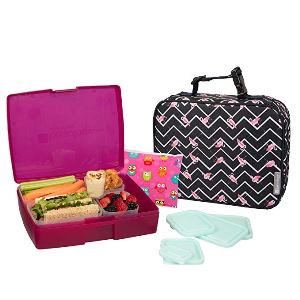
    Insulated lunch boxes and containers may be expensive but it’s a good investment that will last for multiple school years.  With this kind of lunch boxes, your kids can enjoy a hearty meal like a hot soup and pasta.

    Here are some cute ones that your children will never find boring.


    5. Meal prep in advance.

    If you are worried about how much time it takes to prepare a healthy packed lunch for your little ones, meal prepping their lunches all at once and ahead of time is a great way to not just save time, but money as well.  Get all the prep done on the weekend or whenever you have time, so you don’t have to worry about slicing your fruits and veggies or cooking the meals while rushing to do other things during the week like homework, laundry, etc.

    I hope you found these ideas helpful.  I’m sure your kids (and your budget too!) will appreciate the time and effort you spend on preparing their healthy and hearty school lunches everyday.

  • How to Start Saving for your Wedding Fund

    How to Start Saving for your Wedding Fund

    Pixabay

    Saving for your future wedding doesn’t have to start only when your partner pops the question.

    There’s nothing wrong with jumpstarting your wedding fund as soon as the “marriage talks” begin.

    I know it seems like you’re putting the cart before the horse but building your wedding fund early will help ease out the financial pressure and stress once you get officially engaged.

    Knowing that you have a wedding fund to save up for will also help you and your significant other manage your finances wisely. It doesn’t even have to take a big chunk out of your monthly paychecks because a few changes in your everyday financial habits will contribute a lot to your fund without you even noticing it.

    Okay, so here’s my advice:

    Have the “money-talk” with your partner.

    You will enter this new chapter with your other half so his/her opinions and concerns are just equally important as yours.

    This is also the best time to discuss your financial standing – how much you are both earning individually? Is there any debt that your partner haven’t mentioned yet? Or probably some liquid assets that could help pay for the wedding?

    There’s nothing wrong with discussing these things with your partner. After all, you are entering this new chapter together. Just be honest with each other and talk about financial matters mindfully and without judgment.

    Having that “money-talk” early in the relations could possibly uncover any differences that might make you reconsider your relationship. Just sayin’ …

    Set a goal.

    Do you want a big ceremony? A destination wedding? An intimate affair? Talking about your dream wedding is a good way to gauge how much your future wedding would roughly cost without the actual figures.

    Minimize the expenses that easily add up.

    Cutting down on your daily Starbucks run, weekly treatments at the salon, lunch out during breaks or beer nights every Friday won’t be that bad. Identify all the small expenses that eventually add up and try not to spend much on it. Trust me, these little sacrifices will reward your wedding fund big time without you even noticing. Trust me, you’ll thank yourself for eating packed lunch later.

    Skip the holidays and big presents temporarily.

    Think about the biggest gift that you can give each other – a dream wedding and a beautiful (debt-free) marriage. Make an agreement to forgo fancy gifts for now and just save the money your wedding fun. Remember, gifts don’t always have to be material things and most importantly, need not to be expensive.

    Don’t spend too much on date nights.

    If you think I’m gonna tell you to forget about date nights, well I won’t. These things are essential in cultivating a relationship.

    https://guestrelationshipsblog.com/2017/01/5-reasons-why-every-couple-needs-weekly-date-nights/

    But a date night doesn’t have to be a movie date or a romantic dinner at a fancy restaurant. There are a lot of cheaper ways to spend quality time and experience new things together. Here are a few ideas:

    https://guestrelationshipsblog.com/2016/01/7-inexpensive-date-ideas-for-every-day-of-the-week/

    Look for ways to generate more money.

    Whether it’s freelance work or a side business, turning your hobbies and passions into cash can be a big help for your wedding fund.

    Keep in mind that the success of your marriage doesn’t depend on how much money you spent on your wedding day. So make sure that you spend more time and effort nourishing your relationship instead of your wedding fund.

    Don’t overspend on the wedding

    As tempting as it might be (after all, it’s your Big Day, right?), you really don’t need to blow a boatload of cash on the wedding itself. One thing that you might want to bring up during the “money talk” mentioned at the top of this post is ways to save money on the wedding — money that would benefit both of you more in the form of a down payment on a nice house, or even just set aside in a nest egg for later.

    The more work you and your significant other (and close friends, for that matter) are willing to put into preparations for the wedding, the less money you will have to spend. See Priceless Weddings for several money-saving tips and tricks.

  • The Best Budget Planners for 2018

    The Best Budget Planners for 2018

    http://amzn.to/2iDsEGY

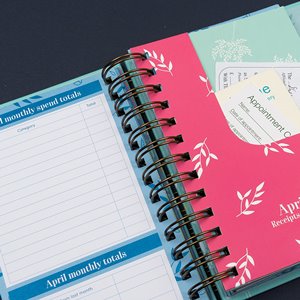
    BUDGET – a five letter word that we all need in our financial lives.  Yes, we know that Budgeting is the number one key to financial freedom.  However, it has earned a reputation for being tedious, challenging and time consuming, which can be discouraging for others.

    Well, it doesn’t have to be.  With the right budgeting tool, money management becomes more effective, efficient and enjoyable.

    There’s a variety of budgeting tools to choose from – smartphone applications, Excel spreadsheets, notebooks and planners, to name a few. (more…)

  • Subscription Boxes:  Are They Worth the Money?

    Subscription Boxes:  Are They Worth the Money?

    Pexels

    From snacks to cooking essentials, razor blades to makeup, clothing apparel to children’s toys, you name it, you can subscribe to it.

    The Subscription Box industry has taken the world by storm and if you haven’t heard about it yet, then where have you been?

    The concept is relatively simple – you sign up for a subscription that will deliver a box containing curated products according to a theme of your choice, straight to your doorstep, every month for three or six months, or even a year.

    Sounds fun, right?  While some subscription boxes don’t come with a cheap price tag, there are several ways that your subscription will save you a few bucks. (more…)

  • The Best Coupon Sites to Save you Money

    The Best Coupon Sites to Save you Money

    Pexels

    Couponing is one of the many ways to save on shopping, whether you’re buying groceries, clothing items, electronics, luxury brands, services, and so much more.

    Now that the holiday shopping season is already here, it’s time to put those couponing skills to good use.  But for those who have zero idea on where to get them, you can get coupons from a variety of sources – magazines, newspapers, online, a product’s packaging, etc.  But aint nobody got time for searching through magazine and newspaper pages. (more…)

  • 5 Ways to Eat Healthy On a Budget

    5 Ways to Eat Healthy On a Budget

    Pexels

    A lot of you may want to start eating healthy but is hesitant to do so due to a tight budget.  But who says cleaning up your diet means cleaning up your wallet too?

    Eating healthy doesn’t have to be expensive.  With these helpful strategies, you can maintain a healthy diet without breaking the bank. (more…)